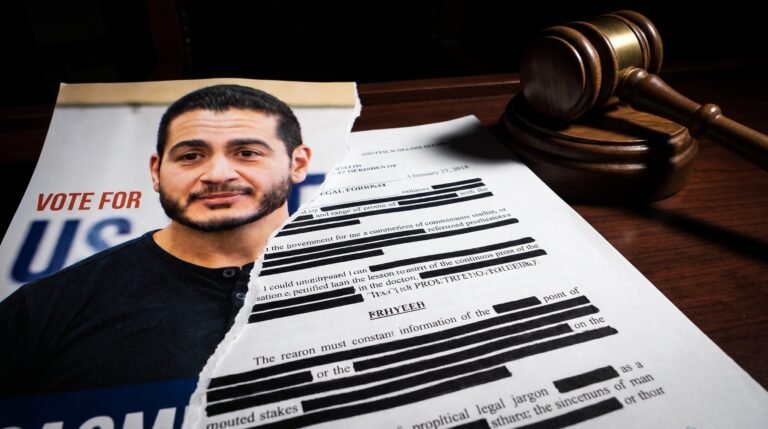
Smoke and Mirrors: Exposing How Scandals Disappear in Democrat-Run Media
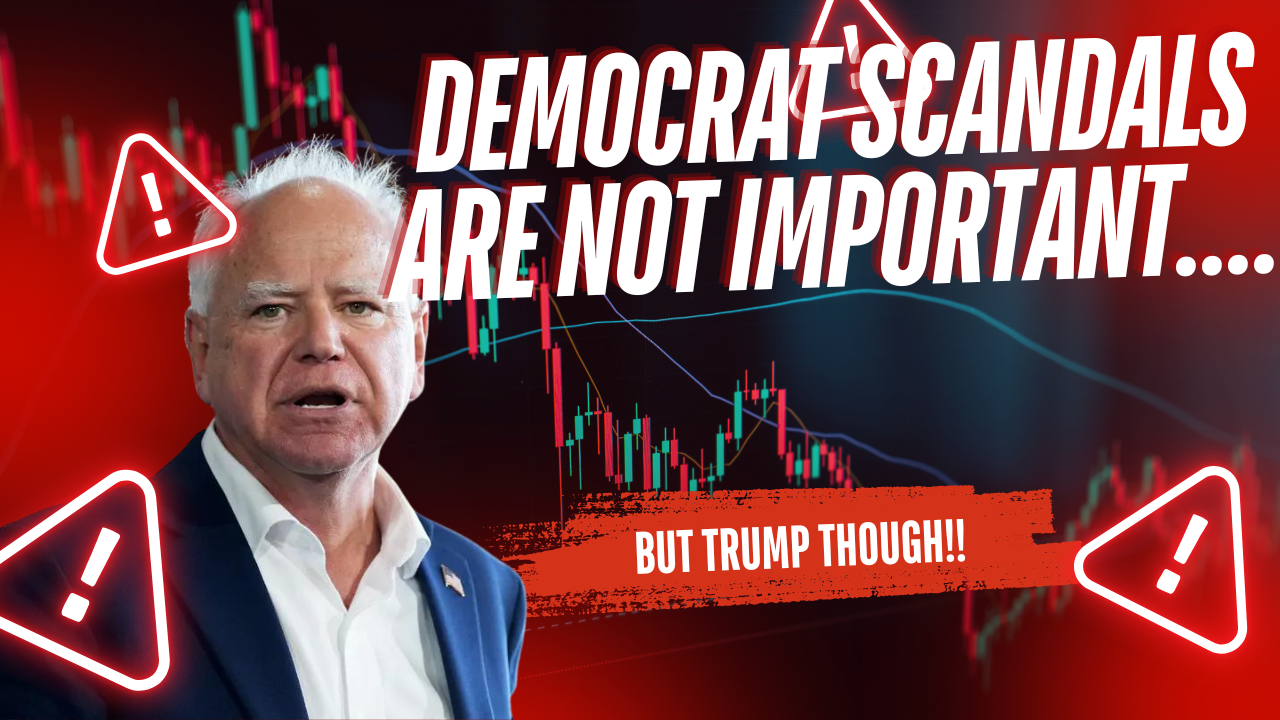
How Democrat-Run Media Conceals Scandals and Misleads the Public
Introduction: Media Bias and Public Deception
The integrity of news reporting plays a crucial role in shaping public opinion. However, when media outlets align with political interests, it becomes harder for people to access unbiased information. Democrat-run media often faces accusations of covering up scandals involving the Democrat Party, which distorts the truth and misguides American voters. This manipulation of facts interferes with the public’s ability to make honest, well-informed decisions.
Hiding Scandals to Protect Political Allies
One of the most damaging practices involves burying stories that expose Democrat politicians’ misconduct. Whether it’s financial corruption, ethics violations, or personal scandals, these incidents often receive minimal media coverage or are downplayed entirely. This selective reporting shields the party from accountability and minimizes public backlash.
Framing the Narrative to Distract from Controversies
When scandals break, aligned media outlets tend to shift focus to unrelated topics or blame political rivals. By changing the subject or framing Republicans as the villains, they divert attention away from Democrat controversies. This tactic allows damaging stories to fade from the public’s mind before they can influence opinions.
Suppressing Investigations and Censoring Information
Journalistic integrity demands investigative reporting, but media with strong Democrat affiliations often avoids digging into their party’s misconduct. In some cases, information is suppressed or omitted from reports entirely. By controlling what gets published, these outlets ensure that only favorable narratives reach the public.
Interfering with Public Opinion through Media Control
When citizens don’t receive accurate and complete information, they struggle to form honest opinions. The media’s role in hiding Democrat scandals deprives people of the truth, influencing elections and undermining democratic processes. A misinformed electorate is more likely to vote based on emotion and party loyalty rather than facts.
Leveraging Social Media to Limit Exposure of Controversies
In addition to traditional media, social media platforms are often used to silence or suppress dissenting voices. Stories that criticize the Democrat Party or highlight scandals may be flagged as misinformation or buried by algorithms. This digital censorship further limits the public’s access to important information.
The Consequences of Media Manipulation on Democracy
When the media protects one political party while targeting the other, democracy suffers. Voters cannot make informed decisions without full transparency. By hiding scandals and manipulating public perception, Democrat-run media interferes with elections and undermines the trust required for a healthy political system.
Conclusion: The Need for Media Accountability and Transparency
To preserve democracy, media outlets must commit to impartial reporting, regardless of political affiliation. Citizens need honest and transparent journalism to make informed choices. Holding the media accountable for biased reporting is essential to restoring trust in public institutions and ensuring that political power is held in check. Only through access to the full truth can Americans form fair opinions and protect the integrity of their democracy.
About the Author