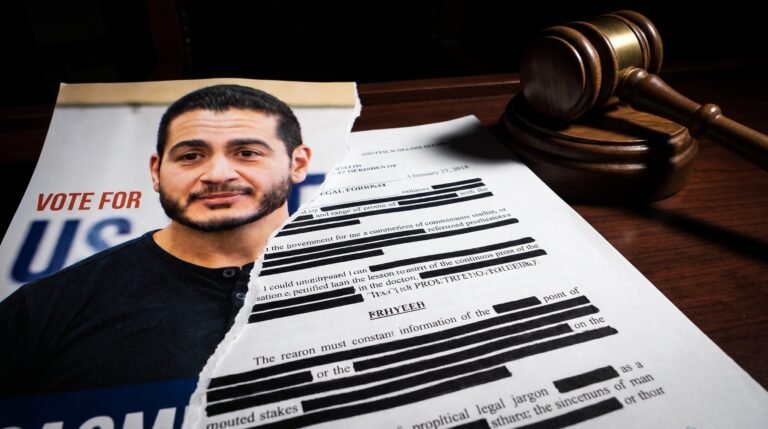
Politicians Who Smear Their Opponents with Lies: A Deep Dive into Corruption and Media Manipulation
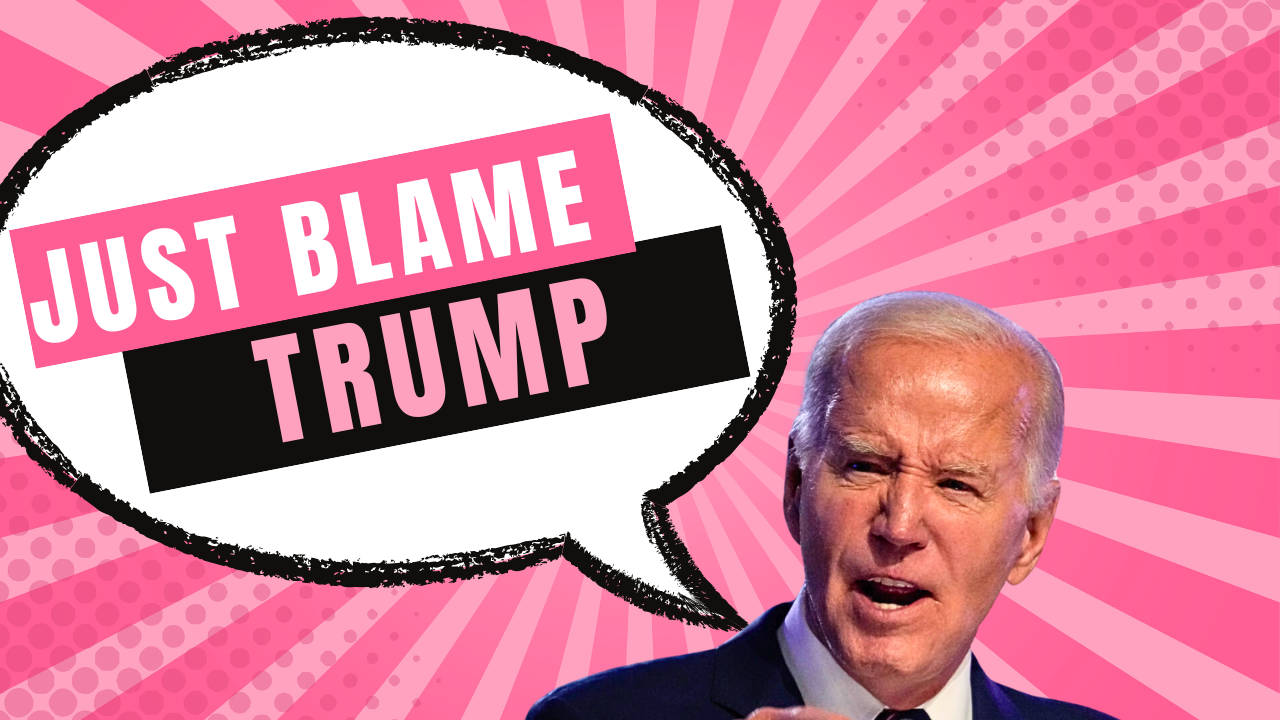
Politics has always been a battleground where accusations and counter-accusations dominate. However, the phenomenon of politicians smearing their opponents with false allegations while concealing their own misdeeds has escalated to alarming proportions. This insidious strategy not only undermines democracy but also erodes public trust in governance. Below, we unravel the intricate web of deception, corruption, and media complicity that enables these practices to thrive.
The Art of Deflection: Accuse Others to Hide Your Own Corruption
In the realm of politics, deflection has become a primary weapon. Politicians often accuse their rivals of unethical behavior to divert attention from their own wrongdoings. These accusations are meticulously crafted, leveraging half-truths and outright lies to paint opponents in a negative light.
This tactic serves a dual purpose:
- Eroding the credibility of rivals: By tarnishing the reputation of opponents, corrupt politicians aim to weaken their standing among voters.
- Deflecting scrutiny: Shifting focus to alleged misconduct by others minimizes the chances of their own actions being exposed.
For example, numerous instances have come to light where politicians accused rivals of financial impropriety while themselves engaging in embezzlement or misuse of public funds. This “pot calling the kettle black” approach is not new but has become increasingly sophisticated with the advent of modern technology.
The Role of Media in Shielding Corrupt Politicians
A free and impartial media is essential for a thriving democracy. However, when sections of the media align with political interests, the dynamics change drastically. Corrupt politicians exploit this alignment to propagate misinformation while silencing dissenting voices.
Tactics Used by Media to Protect Corruption
- Selective Reporting: Stories critical of their political allies are buried, while baseless accusations against opponents are amplified.
- Framing Narratives: Media outlets often frame stories in ways that support a particular agenda, presenting biased perspectives as facts.
- Character Assassination: Opponents are subjected to relentless smear campaigns, making it difficult for the public to discern the truth.
The complicity of media is not limited to traditional outlets. Social media platforms play a significant role, with algorithms that prioritize sensationalist content often amplifying false claims.
Corruption Behind the Curtain: The Real Scandals They Hide
While their opponents are caught up defending themselves against false accusations, corrupt politicians continue their malfeasance behind closed doors. Common examples of hidden corruption include:
Financial Misdeeds
- Embezzlement of public funds: Misappropriating taxpayer money for personal or political gains.
- Kickbacks and bribes: Awarding contracts or favorable policies in exchange for monetary benefits.
Abuse of Power
- Cronyism: Favoring friends or family in appointments and contracts, irrespective of merit.
- Suppression of whistleblowers: Silencing those who attempt to expose corruption through intimidation or legal action.
Policy Manipulation
- Enacting legislation favoring vested interests: Policies that disproportionately benefit corporate donors or lobbyists at the expense of public welfare.
- Sabotaging accountability mechanisms: Weakening anti-corruption bodies to ensure their actions remain unchecked.
The Impact on Democracy and Society
The long-term consequences of such deceptive practices are profound. When politicians engage in smear campaigns and corruption, it erodes the very fabric of democratic governance. Key impacts include:
- Loss of Public Trust: Citizens become disillusioned with politics, leading to lower voter turnout and apathy.
- Polarization: False accusations and media bias contribute to societal divisions, making constructive dialogue impossible.
- Weakening of Institutions: By undermining accountability mechanisms, corrupt politicians pave the way for authoritarian tendencies.
Moreover, the financial and societal cost of corruption is immense. Resources meant for public welfare are diverted, leaving critical sectors like healthcare, education, and infrastructure underfunded.
How to Combat Political Smears and Corruption
While the challenges are significant, several strategies can help combat this pervasive issue:
1. Demand Transparency
- Advocating for transparent governance ensures that public officials are held accountable.
- Supporting legislation that mandates disclosure of financial dealings and conflicts of interest is critical.
2. Strengthen Independent Media
- Promoting and supporting independent journalism can counteract biased reporting.
- Fact-checking organizations should be empowered to debunk misinformation.
3. Educate the Public
- Awareness campaigns can help citizens identify and resist smear tactics.
- Encouraging civic engagement and critical thinking fosters a more informed electorate.
4. Enforce Anti-Corruption Measures
- Strengthening anti-corruption bodies with autonomy and resources is essential.
- Imposing strict penalties on those found guilty of corruption or spreading false accusations deters others from engaging in similar behavior.
Conclusion: A Call for Vigilance
The practice of politicians smearing opponents with lies while hiding behind their own corruption is a threat to democracy and governance. As citizens, we must remain vigilant and proactive in demanding integrity, transparency, and accountability from our leaders. Only by fostering a culture of truth and justice can we hope to build a society where governance serves the public interest rather than private agendas.
About the Author