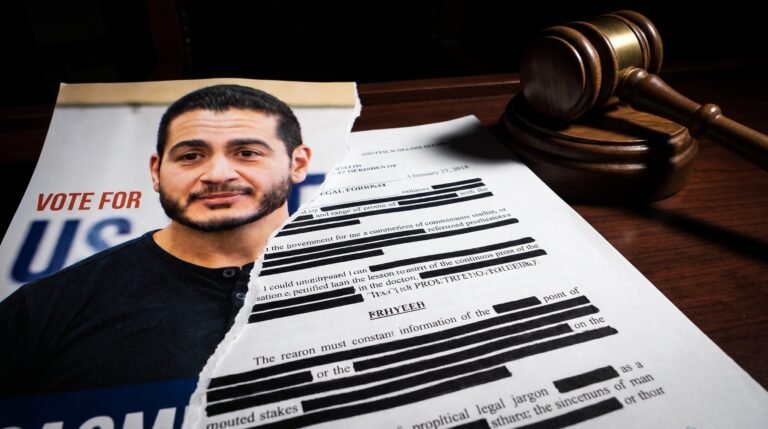
When Blind Loyalty Becomes Dangerous: A Deep Dive into Deception and Leadership
The Price of Blind Trust in Leadership
In a world increasingly defined by polarization, the phenomenon of unwavering allegiance to leaders—despite well-documented deceit—raises significant questions. How does this blind trust reflect on an individual’s judgment? More importantly, what does it reveal about leaders who intentionally manipulate and misguide their followers?
The Weaponization of Power: A Cycle of Accusations
Many such leaders are deeply entrenched in duplicity, employing strategies to deflect attention from their shortcomings. These individuals often weaponize their power, targeting opponents while accusing them of identical or even worse transgressions. This tactic not only confuses their audience but also shields the leaders from scrutiny. Is this not a deliberate ploy to mask their moral and ethical failures?
Why Followers Cling to Deceptive Leaders
Blind loyalty often stems from psychological factors like confirmation bias or a desire for stability in uncertain times. Followers may prioritize ideological alignment over integrity, convincing themselves that the end justifies the means. This dangerous mindset perpetuates a cycle where deception is not only tolerated but also rewarded.
The Broader Impact on Society
The repercussions extend far beyond individual leaders and their followers. The normalization of such behavior undermines trust in institutions, polarizes societies, and erodes the very fabric of democracy. When deceit is accepted as part of leadership, it sets a troubling precedent for future generations.
Breaking the Cycle: A Call for Accountability
To address this issue, accountability must become a priority. Both leaders and their followers should be held to higher ethical standards. Education, critical thinking, and an informed electorate can serve as powerful antidotes to manipulation.
About the Author