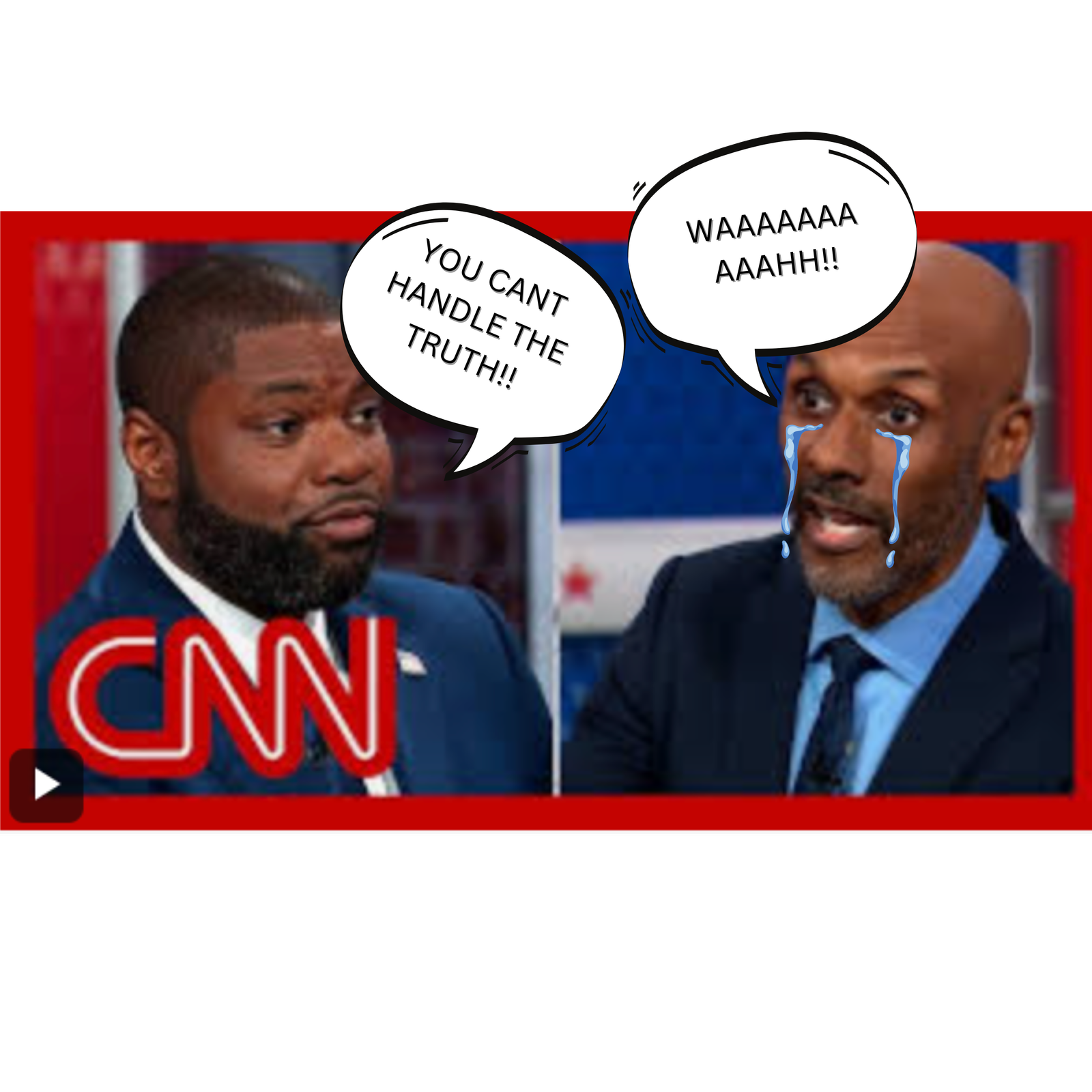
The Democrat Party Lies: How Misinformation Misleads the Public
Introduction: Political Misinformation and Public Deception
In today’s polarized political landscape, the spread of misinformation remains a key issue. The Democrat Party has often been accused of misleading the American public through false narratives and manipulated facts. Understanding how these tactics work helps citizens discern truth from deception and make informed decisions.
Distorting Facts to Shape Public Perception
One common strategy used by the Democrat Party is selective storytelling. They focus on specific events or statistics while ignoring contradictory data that might weaken their narrative. By cherry-picking information, the party creates a biased picture that manipulates public perception and reinforces preconceived ideas.
Emotional Manipulation in Political Messaging
Emotion plays a powerful role in political discourse. The Democrat Party often frames issues emotionally, tugging at the public’s heartstrings. This technique shifts focus away from facts and creates a sense of urgency or fear. It encourages emotional reactions over rational analysis, leaving voters vulnerable to manipulated messaging.
Campaign Promises That Don’t Align with Actions
Politicians from both sides make promises, but the Democrat Party has faced criticism for repeatedly failing to deliver on key issues. Issues like healthcare reform, immigration policies, and economic equality are areas where promises have fallen short. This disconnect between words and actions fosters distrust among voters.
The Role of Media in Amplifying Misinformation
The media plays a significant role in shaping political narratives. Many mainstream outlets align with the Democrat Party, giving their statements more exposure. Stories that challenge the party’s narrative often receive less coverage, leading to a biased media landscape where the truth can become blurred.
How Polarization Fuels Partisan Deception
The increasing divide between political parties encourages the spread of misinformation. Democrats often frame opposition views as extreme or dangerous to strengthen their own position. This black-and-white approach discourages constructive debate and fuels a cycle of distrust among voters.
The Importance of Fact-Checking and Independent Thinking
In a world full of misleading narratives, fact-checking becomes essential. Voters must rely on multiple sources and verify the information presented to them. Independent thinking and critical analysis are vital tools to avoid falling victim to false political narratives, regardless of party affiliation.
Conclusion: Recognizing and Combatting Misinformation
The spread of misinformation by the Democrat Party highlights the importance of staying informed and questioning political narratives. Understanding these tactics allows citizens to make educated decisions and hold politicians accountable for their actions. A healthy democracy relies on truth, transparency, and the active participation of well-informed voters.
About the Author