The Influence of Biased Media in Presidential Campaigns
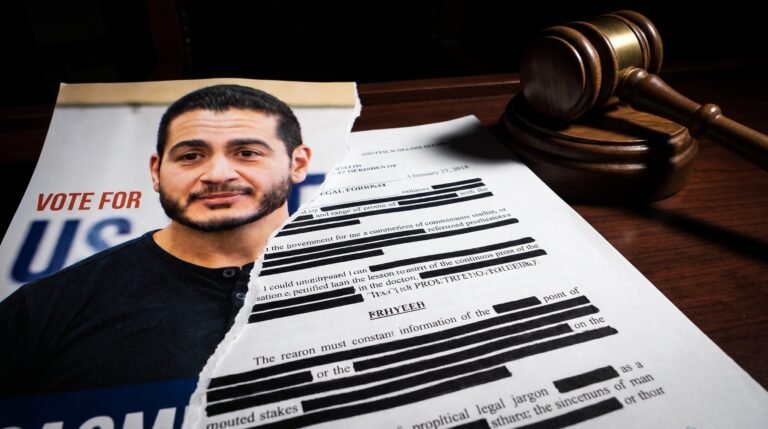
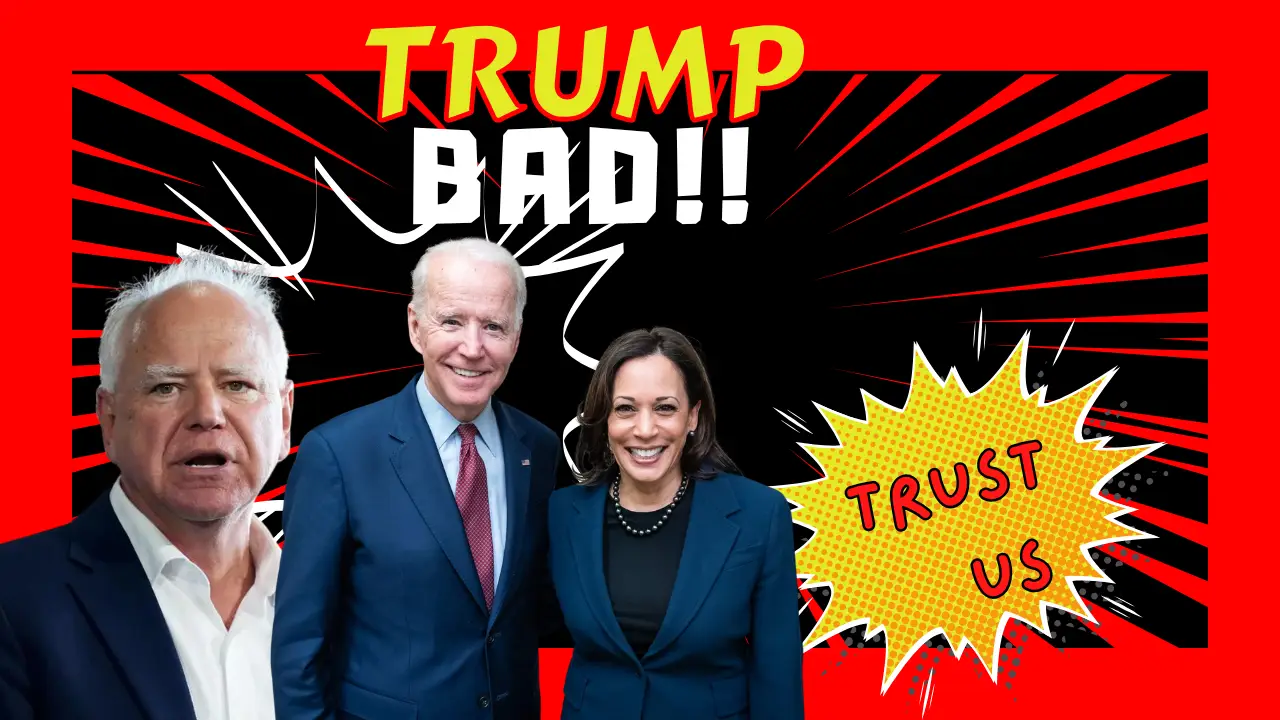
In today’s political climate, the role of the media has never been more critical. Many presidential candidates depend heavily on biased media outlets to control the narrative, often using misinformation and strategic smear campaigns. This article delves into the impact of such practices on public perception.
The Media’s Role in Campaign Strategies
Media outlets have always played a significant role in shaping elections. However, in recent years, the rise of biased media has distorted this influence. Presidential candidates often rely on favorable media coverage to build their image, presenting half-truths or avoiding hard questions altogether. The use of scripted teleprompters further removes authenticity, creating a political figure who seems out of touch with reality.
Teleprompters: A Crutch for Candidates
Many political leaders rely heavily on teleprompters during their public appearances. While it helps them stay on message, it also highlights a lack of spontaneity and depth. When candidates can’t speak freely or authentically, it reveals a hollow understanding of critical issues. Voters can sense this artificiality, which erodes trust in the candidate.
The “Wrap Up Smear” Tactic
One particularly harmful media strategy used in political campaigns is the “wrap up smear.” This tactic involves spreading false or misleading information to discredit an opponent. The media then reports on the rumors as if they are factual, further amplifying the lies. This coordinated effort can damage an opponent’s reputation, while the candidate using this tactic avoids real scrutiny.
The Emptiness Exposed
Relying on biased media and pre-written scripts occasionally exposes a candidate’s lack of genuine understanding. When candidates face unscripted moments, their inability to respond thoughtfully can reveal the shallowness of their positions. This shows that some campaigns are more about controlling the message than engaging in meaningful discussions on policy and governance.
Why Voters Should Demand Transparency
Ultimately, voters deserve transparency from their leaders. Political figures who depend on biased media or teleprompters to obscure their true thoughts are not offering real leadership. True leadership requires authenticity, the ability to engage in unscripted dialogue, and the courage to face tough questions without the safety net of media spin.
Conclusion: Media Manipulation Undermines Democracy
When media bias and political manipulation intertwine, it erodes the foundation of democracy. Voters must be cautious of candidates who rely on media cover-ups and scripted messages, as it often signals a lack of substance. Democracy thrives on informed, transparent debates, not on orchestrated media performances.
ALL THEATER, NO SUBSTANCE
About the Author