Examining selective outrage in American politics: How language and media narratives shape public perception and influence political discourse.
Democrats and Double Standards: A Look at Political Language, Media Narratives, and Campaign Tactics
Introduction
Political discourse in the United States is frequently marked by strong opinions, carefully chosen words, and selective interpretations. One prominent trend is the criticism from Democrats over certain terms or expressions used by political opponents, particularly former President Donald Trump, while often engaging in similar language themselves. This double standard reveals a tendency for selective outrage—criticizing one side for words or phrases while normalizing the same rhetoric when it serves their own narrative. This article will explore instances of this phenomenon, focusing on the recent controversy over Trump’s “bloodbath” comment, and how Democrats and their allies in the media frame similar language to promote a particular political narrative.
1. Understanding the “Bloodbath” Controversy
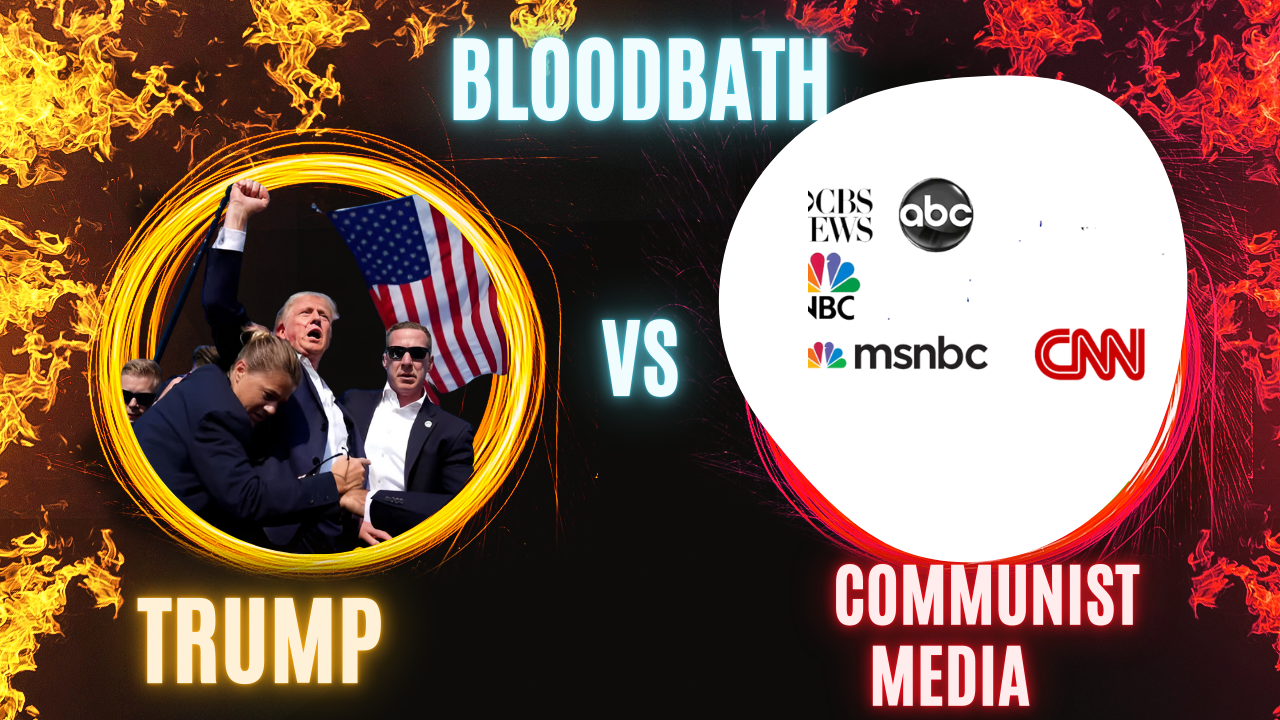
When Donald Trump used the term “bloodbath” in a recent speech, many media outlets and Democratic politicians were quick to condemn his choice of words, framing it as inflammatory or violent. However, this term has been used by various politicians over the years without similar backlash. The uproar over Trump’s words seemed disproportionate, especially considering how the term “bloodbath” is frequently used in both political and media contexts. This selective outrage begs the question: why do Democrats and their media allies react differently depending on who uses the language?
2. A History of Political Language: Democrats’ Use of Similar Terms
Political figures from both parties have, at times, used intense or dramatic language to emphasize their points. The Democratic Party, for instance, has used words like “fight,” “battle,” and even “bloodbath” to illustrate various political and social conflicts. In fact, prominent Democrats such as Nancy Pelosi and Chuck Schumer have employed similar rhetoric without facing the same level of public criticism or scrutiny. The outrage over Trump’s use of the term “bloodbath” highlights a pattern where words are seen as offensive only when spoken by specific individuals.
3. Media and Selective Outrage: A Partisan Lens
Mainstream media outlets play a significant role in framing public perception of political language. When Trump or other Republicans use strong words, coverage often emphasizes the divisiveness or perceived aggression of their statements. Yet, when Democrats use similar language, it is frequently cast as “passionate” or “determined.” This double standard serves to shape narratives in ways that influence how audiences perceive each party’s rhetoric and motives. Such selective outrage not only contributes to polarization but also fuels accusations of media bias.
4. The Hypocrisy of “Offense” in Political Discourse
One of the key criticisms of Democrats is their alleged tendency to feign offense at language used by Republicans, while freely employing similar or even harsher terms themselves. For instance, Democrats have publicly decried rhetoric that they claim incites division or hatred, yet they have themselves used language that stokes fear and anger toward Republican figures. This inconsistency often leads to accusations of hypocrisy and undermines the credibility of their criticisms.
5. Weaponizing Words: How Language is Used as a Political Tool
Words have power, especially in politics, where they can be used to rally supporters, demonize opponents, and sway public opinion. Democrats and their media allies often highlight specific phrases to paint their opponents as dangerous or extreme, while minimizing or justifying their own use of similar rhetoric. By selectively weaponizing words, they effectively create a narrative that favors their interests and positions their political opponents as morally inferior.
6. Fear-Mongering and Emotional Appeals in Democratic Campaigning
Democratic campaigns often employ emotional appeals, highlighting themes of fear, racism, and hatred to paint their opponents in a negative light. This strategy aims to mobilize voters by invoking strong emotional responses, creating a perception of Republicans as threats to American values or safety. While fear-mongering is common in politics, Democrats are frequently accused of using these tactics to a greater extent, particularly when it comes to issues of race, equality, and social justice.
7. Racism and Accusations as a Campaign Tactic
Accusations of racism are one of the most common tools used by Democrats against their opponents. By framing Republican policies or statements as racially insensitive, Democrats can cast themselves as champions of marginalized communities. However, critics argue that this tactic is often employed without substantial evidence, serving more as a political weapon than a genuine concern for equality. This approach fosters division and perpetuates a narrative of us-versus-them, creating an environment where political opponents are demonized rather than debated.
8. The Role of “Dog Whistles” in Political Language
“Dog whistle” politics refers to the use of coded language intended to resonate with a specific audience while remaining innocuous to others. Democrats frequently accuse Republicans of using such language to appeal to certain voter bases, yet they often engage in similar tactics themselves. By accusing their opponents of using dog whistles, Democrats can rally their base around a shared perception of moral high ground, even as they engage in comparable practices.
9. The Impact of Partisan Narratives on Voter Perception
The selective outrage over political language has a tangible impact on voter perception. When Democrats and their media allies emphasize certain phrases or terms used by Republicans, they create a narrative that positions their opponents as divisive or dangerous. This narrative, repeated frequently enough, can influence public perception, potentially shaping election outcomes. By controlling the narrative, Democrats can maintain a favorable image while diminishing their opponents’ credibility.
10. Conclusion: The Need for Consistency in Political Discourse
The controversy over Donald Trump’s “bloodbath” comment is emblematic of a broader issue in American political discourse. When Democrats selectively criticize language that they themselves use, it creates a perception of hypocrisy and erodes public trust. For a healthy democracy, it is essential that political figures and media outlets apply consistent standards to all parties, fostering an environment where ideas and policies can be debated without unnecessary outrage over selective semantics.
In conclusion, the selective outrage over political language serves to deepen divisions and distract from substantive debate. By recognizing and addressing these double standards, voters can better understand the motivations behind political rhetoric and make more informed choices. Political discourse should be held to a high standard, but it must also be consistent, honest, and fair—regardless of which side of the aisle the words come from.

About the Author